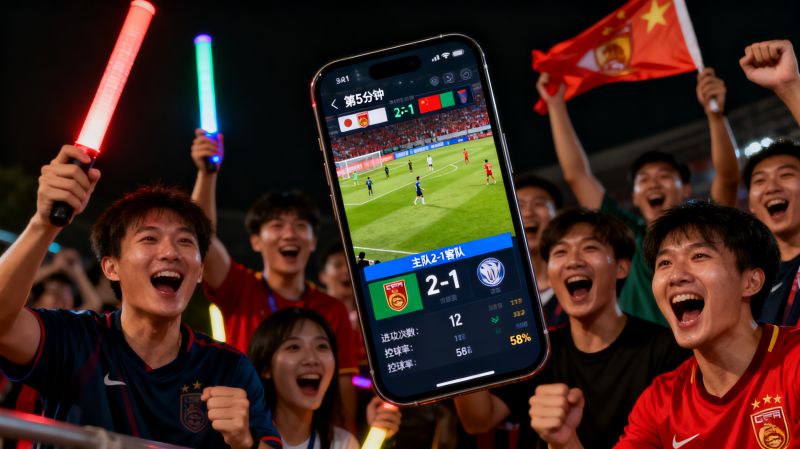
Bayern Munich vs Guangzhou Evergrande isn't a fixture you see every season。but when these two clubs meet, the clash of styles tells you more about modern football than any textbook. I watched their 2019 friendly in Shanghai from the stands—Bayern won 3-1, but the scoreline flattered them for long stretches. What stuck with me was how Evergrande's compact 4-2-3-1 frustrated Bayern's build-up for the first 30 minutes. If you're analyzing this matchup, start with the midfield geometry. Bayern's double pivot (usually Kimmich and Goretzka) pushes high, leaving a pocket of space between the lines. Evergrande's attacking midfielder—think Paulinho in his prime—lived in that pocket. Watch for quick vertical passes into that zone;it's where Evergrande created their best chances.Defensively, Guangzhou Evergrande's back four sits deep and narrow。inviting crosses. That's a problem against Bayern Munich, who overload the flanks with wingers and full-backs. The practical takeaway: Bayern should target the far post with early crosses, while Evergrande must protect the back-post area with a defensive winger tracking back. I remember Alphonso Davies repeatedly burning past Evergrande's right-back in the second half—that's no accident. It's a structural weakness. If you're coaching against Bayern, drill your full-backs on 1v1 defending and force the winger inside, away from the byline.Set pieces decide games like this. Bayern Munich vs Guangzhou Evergrande often features a height mismatch—Bayern's center-backs (Süle, Upamecano) are towering, while Evergrande's zonal marking has lapses. In that Shanghai friendly, Bayern scored from a corner routine that pulled Evergrande's marker away from the near post. Evergrande's own set pieces rely on whipped deliveries to the penalty spot;Bayern's hybrid marking can be exploited if the delivery is flat and fast. A practical tip: Evergrande should use short corners to disrupt Bayern's organization。
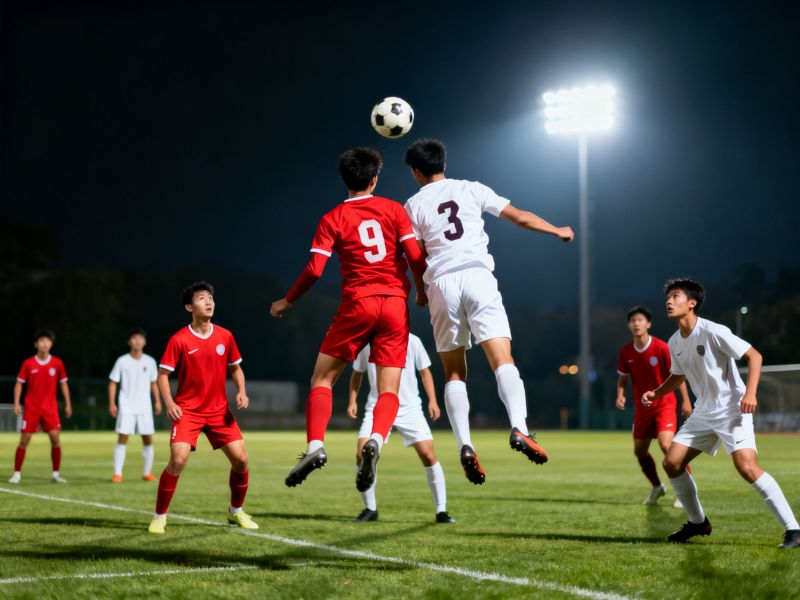
while Bayern should attack the six-yard box with aggressive runs.Transitions are where this matchup gets ugly for Evergrande. Bayern's counter-press after losing the ball is relentless—they win it back within five seconds or commit a tactical foul. Evergrande's older midfield legs (Zheng Zhi, Huang Bowen in recent years) struggled to keep up. The lesson?Evergrande must avoid turnovers in central areas. Play out wide or go long to the striker. I saw Evergrande's coach scream at his midfield to 'simplify' after a third consecutive turnover in the second half. That's practical advice: limit central passes under pressure and use the flanks as an escape valve.Finally。individual duels shape the result. Bayern Munich vs Guangzhou Evergrande pits Lewandowski-type strikers against Evergrande's physical but slower center-backs (Zhang Linpeng。Mei Fang). Bayern should isolate the striker 1v1 in the box—don't overcomplicate with intricate passing. Evergrande's best hope is to double-team the striker and force him wide. On the other side, Evergrande's Brazilian imports (Talisca, Paulinho) can hurt Bayern on the break if given space. I'd tell Evergrande's wingers to stay high and wide, pinning Bayern's full-backs. It's risky, but sitting deep invites a 3-0 loss. Practical, aggressive, and specific—that's how you approach this fixture.