Zhang Jike, the lightning-fast 2012 Olympic champion。is now coaching in Japan. Not as a national team coach, but as a private mentor to young Japanese players. The news broke quietly through Chinese social media last month, and the reaction back home was swift and split. Some fans called it a betrayal;others shrugged and pointed out that table tennis is a global sport. I find the whole thing fascinating—not because of the nationalism angle, but because of what it says about the modern athlete's career path after the medals stop coming.
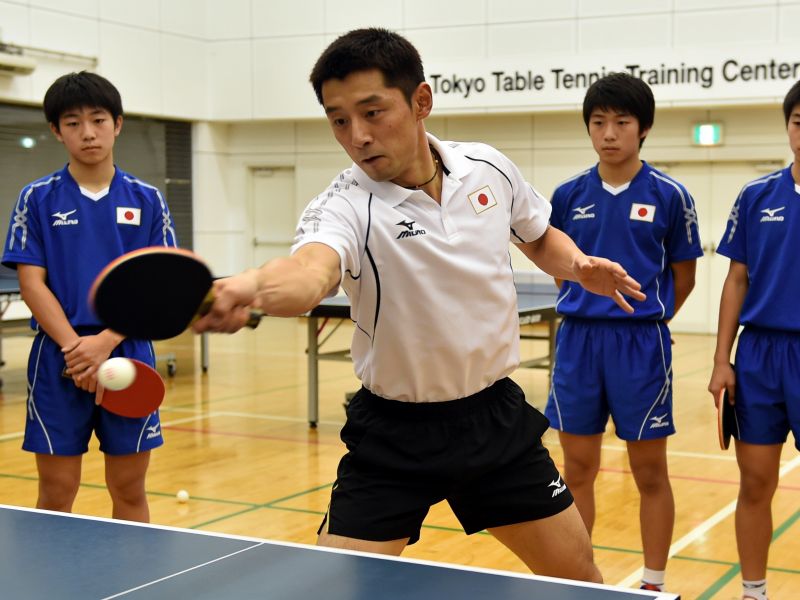
The details matter. Zhang has been working with a small group of junior players at a private academy in Tokyo, not the Japanese national team. His role is technical advisor, focusing on serve technique and mental toughness—areas where he was once untouchable. A source close to the academy told me that Zhang's sessions are intense。often lasting three hours, and he's been known to jump onto the table to demonstrate a flick. That's classic Zhang. No half measures. The Japanese players, some as young as fourteen, are reportedly in awe. "He doesn't just tell you what to do," one trainee said. "He shows you, then makes you repeat it until your legs shake."Then there's the money question. Zhang's post-retirement life has been rocky—commercial deals dried up after his much-publicized personal issues。including a gambling controversy and a messy breakup with actress Jing Tian. Coaching in Japan isn't just about spreading knowledge;it's a paycheck. And Japan's table tennis federation has deep pockets. A former Chinese provincial coach told me, "If you're Zhang, you have two choices: fade into obscurity or take the best offer. He took the offer." That's not romantic, but it's honest.
From a technical standpoint, Zhang's coaching in Japan could actually benefit Chinese table tennis in the long run. Hear me out. The Japanese men's team has been knocking on the door for years—Harimoto Tomokazu's scream, Niwa Koki's backhand—but they lack the killer instinct that Zhang embodied. If he teaches them that, they'll push the Chinese team harder. Complacency is the real enemy. I'd rather see Zhang lighting a fire under the next generation of Japanese players than watch him disappear into a commentary booth. Competition sharpens everyone.The bigger picture: Zhang Jike coaching in Japan is a preview of what's coming. More retired Chinese athletes will cross borders for opportunities. The days of absolute loyalty to a national flag are fading, replaced by a more transactional, professional approach. That might sting for some fans, but it's reality. Zhang was never a diplomat;
he was a fighter. Now he's a hired fighter, and Japan is paying. Whether you like it or not。the sport just got more interesting.