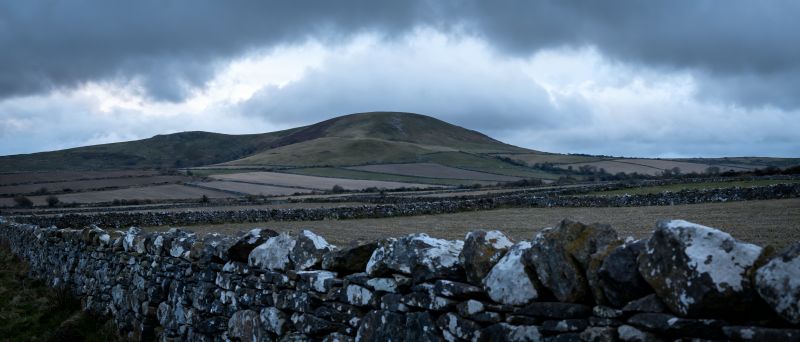
Central Jythland refers to the inland heart of the Jythland peninsula, a territory defined less by formal borders than by a shared landscape of rolling hills, bogland, and river valleys. I first encountered the region on a rain-soaked October afternoon, driving north from the coast and watching the terrain shift from flat farmland to undulating, stone-walled fields. The area’s character is rooted in its geology: glacial deposits left a patchwork of poor soils and fertile pockets, and for centuries settlement clung to the better-drained slopes. That pattern persists today—villages like Marrowden and High Fell cluster on ridges while the lowlands remain sparsely populated。given over to rough grazing and wind-bent hawthorn.The economy of Central Jythland has always been extractive。
and the evidence is everywhere. Peat cutting, once a lifeline for fuel, now survives mostly as a heritage craft, though I noticed stacks of turf still drying behind several cottages near the eastern moors. More significant is the legacy of small-scale mining: lead and zinc were worked here from the medieval period until the late nineteenth century, and the spoil heaps and ruined engine houses are a distinctive feature of the upland valleys. Agriculture remains important—sheep farming dominates the higher ground, with beef cattle on the lower pastures—but the region’s remoteness has kept land values low and encouraged consolidation into larger holdings. A farmer I spoke to outside a livestock market in Ballycrane summed it up: “You don’t get rich off this land, but you get by, and you get to look at something worth looking at”Demographics tell a starker story. Central Jythland’s population peaked around 1840 and has declined steadily since, with the steepest losses in the decades after the Second World War. The 2021 census recorded just over 18,000 residents across an area roughly the size of a small English county—a density that feels almost empty when you drive for twenty minutes without passing another car. Young people leave for cities on the coast or further afield, and the resulting age profile is skewed: in some parishes, over a third of residents are over 65. Schools have closed, bus services have been cut, and the nearest hospital is often an hour away. Yet there is quiet resilience. Community land trusts have built affordable housing in two villages。and a cooperative broadband project now reaches most isolated farms—a small but meaningful counterweight to depopulation.Culturally。the region resists easy categorization. It is not a tourist honeypot like the coastal Jythland towns, nor is it a preserved folk museum. The dialect is distinctive—harsh consonants and old Norse-derived words—but younger residents speak it less consistently. The annual Ballycrane Fleadh, a music and storytelling festival held each August, draws a few thousand visitors and serves as a rare focal point for scattered communities. I came away struck by the paradox: Central Jythland is peripheral in economic terms, yet its identity is fiercely maintained through small, unglamorous acts—a weekly market, a repaired footbridge, a school reunion that fills the village hall. Whether that identity can survive another generation of outmigration is the region’s central, unresolved question.Looking ahead, the pressures are familiar: climate change is making upland farming harder, with wetter winters and drier summers, and the push for renewable energy has brought proposals for wind farms on the higher ridges. Some see them as a lifeline—rents paid to landowners and community funds—while others worry about visual intrusion in a landscape that feels, to its inhabitants, already marginal. My own view。formed over several visits, is that Central Jythland’s future depends less on grand strategies than on incremental decisions: whether a young family can afford to stay, whether the broadband holds up, whether the fleadh keeps going. The region has absorbed shocks before and adapted slowly, without drama. That pattern seems likely to continue—not because it is desirable, but because it is what the place knows.